Originally published: February 8, 2019 | Revised & Updated: March 2026
Author: Lynn Peterson, B.A., M.S., D.Sc., Certified Health Coach
The connection between food additives and weight gain may help explain why so many people struggle to lose weight despite eating what seems like the same diet.
Sound Familiar?
“How much do I weigh? That’s impossible — I don’t eat that much.”
“I eat the same food I always have. What happened?”
“I used to be able to just cut back for a week and drop five pounds. Now nothing works.”
If any of that resonates, you are not alone — and more importantly, you are not entirely to blame. What changed is not just your habits. What changed is the food.
We Are Busier, Yes. But That’s Not the Whole Story.
As Americans, we do eat more than previous generations. Portion sizes have grown. Food is available everywhere, around the clock, at almost any price point. We celebrate, grieve, socialize, and decompress around food. Birthdays, graduations, game days, anniversaries, funerals — there is always a reason, and there is always a table.
And yes, we are busier. New jobs, spouses, children, aging parents — life stacks up, and meal planning is often the first casualty.
But here is what the “eat less, move more” conversation consistently leaves out: the food most of us are eating today is not the same food our parents and grandparents ate. It looks similar. It is packaged similarly. But what is inside has changed — quietly, incrementally, and with significant consequences for appetite, metabolism, and weight.
What the Food Industry Added (Without Much Fanfare)
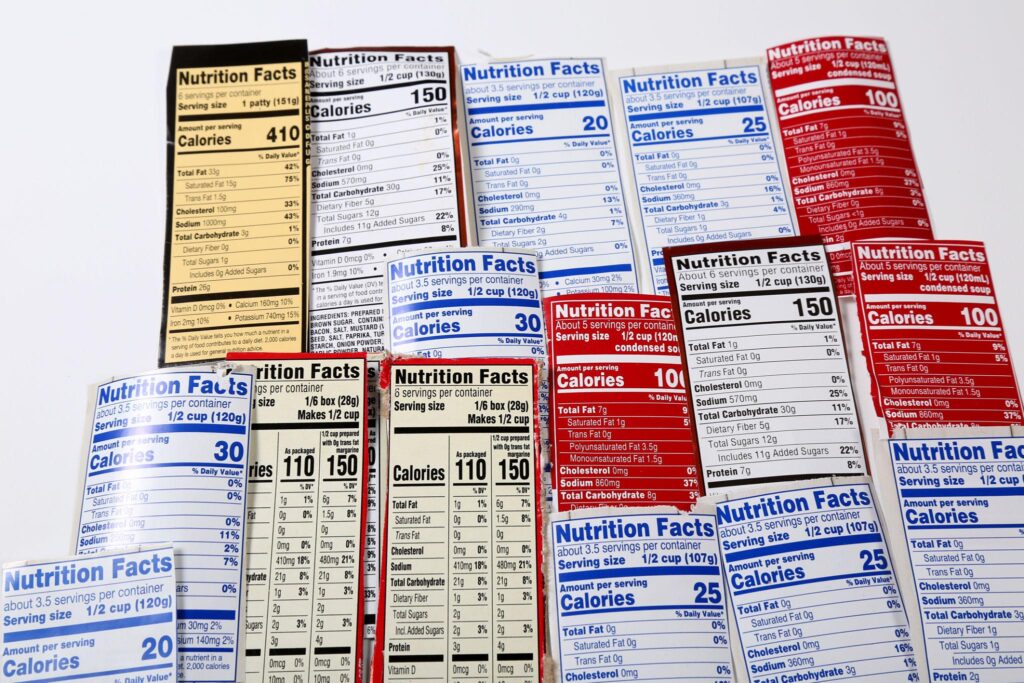
The U.S. Food and Drug Administration (FDA) has, since the 1970s, permitted food producers to use additives to enhance flavor, extend shelf life, and improve the visual appearance of food. The regulatory classification — GRAS, or “Generally Recognized as Safe” — allows many of these ingredients to enter the food supply with limited independent safety review. (For a deeper look at how GRAS works, see our companion article: The Truth About Processed Foods: Additives, GRAS Ingredients, and What They’re Doing to Your Health.)
As consumption of packaged and processed food increased, so did the use of these additives. The core commercial logic is straightforward: if the food tastes better, consumers buy more and eat more. What was not advertised is what some of these additives do to hunger signals, blood sugar, and the body’s ability to recognize fullness.
How Food Additives Undermine Your Body’s Own Appetite Controls
Your body has a sophisticated system for regulating hunger and satiety. Several common food additives and processing methods are now understood to interfere with that system:
- High-Fructose Corn Syrup (HFCS): Unlike glucose, fructose does not trigger an adequate insulin or leptin response — two hormones critical to signaling fullness to the brain. Research published in the Journal of Clinical Investigation (Stanhope et al., 2009, updated in subsequent reviews) found that high fructose consumption was associated with increased appetite and visceral fat accumulation compared to equivalent glucose intake.
- Artificial Sweeteners (aspartame, sucralose, saccharin): Counter-intuitively, research suggests that artificial sweeteners may increase cravings for sweet foods by triggering an insulin response without delivering actual calories — leaving the appetite system unsatisfied. A large-scale review in CMAJ (2017) found that regular consumption of non-nutritive sweeteners was associated with increased BMI and cardiometabolic risk over time.
- Monosodium Glutamate (MSG) and Related Flavor Enhancers (autolyzed yeast extract, hydrolyzed vegetable protein, inosinate, guanylate): These compounds stimulate the palate in ways that can override natural satiety signals and encourage continued eating. Some animal studies have linked chronic MSG exposure to leptin resistance, though human data remains an active area of research.
- Emulsifiers (carboxymethylcellulose, polysorbate 80): Emerging research, including studies published in Nature (Chassaing et al., 2015), suggests that certain emulsifiers may disrupt the gut microbiome and intestinal lining, potentially affecting metabolic function and inflammatory responses linked to obesity.
- Refined Carbohydrates and Added Sugars: Stripped of fiber and processed for rapid digestion, these cause rapid blood sugar spikes followed by crashes that reliably trigger renewed hunger — often within an hour or two of eating.
This is not a character flaw. This is biochemistry.
What the Data Shows: Where We Are Now
The population-level results of decades of processed food consumption are measurable:
- More than 40% of American adults are now classified as obese (CDC, 2023) — up from 34.9% in 2011–2012 and continuing to rise
- 38% of American adults have pre-diabetes or Type 2 Diabetes (CDC, 2024), with rates increasing among younger adults and adolescents
- The CDC estimates that 90% of Americans exceed recommended daily sodium intake, largely from processed and packaged foods
- Ultra-processed foods now account for approximately 57% of total caloric intake among American adults (Martínez Steele et al., BMJ Open, 2020)
These are not individual failures. They are the predictable outcome of a food environment engineered to maximize consumption.
Then vs. Now: What Changed in the Ingredient List
Your grandmother seasoned food with ingredients she could grow, buy whole, or name from memory:
Salt, pepper, vinegar, garlic, dill, cloves, nutmeg, lemon, cinnamon, bay leaf, onion, coriander, peppers.
Compare that to a modern ingredient panel for a comparable packaged product. The difference is not just complexity — it is the biological effect of those added compounds on your hunger, your hormones, and your waistline.
How Food Additives Affect Weight Gain
| Additive | Found In | Concern |
| High-Fructose Corn Syrup (HFCS) | Sodas, condiments, baked goods | Impairs leptin/insulin satiety signals |
| Artificial sweeteners | Diet drinks, “sugar-free” products | May increase cravings and BMI over time |
| MSG / glutamate enhancers | Chips, soups, fast food, seasonings | May overstimulate appetite; linked to leptin resistance in some studies |
| Artificial dyes (Red #40, Yellow #5) | Candy, cereals, drinks | Behavioral effects studied; ongoing FDA review |
| Carrageenan | Dairy alternatives, creamers | Linked to gut inflammation; removed from some organic standards |
| Refined flour / refined carbs | Bread, pasta, crackers, snacks | Rapid blood sugar spike and crash drives renewed hunger |
| Sodium (excess) | Nearly all packaged foods | Drives fluid retention and increases palatability beyond natural limits |
What You Can Do Right Now
You do not need to overhaul everything overnight. Start here:
- Read the ingredient list — not just the nutrition label. Calories tell part of the story. Ingredients tell the rest.
- If you can’t pronounce it or wouldn’t find it in a kitchen, research it before making it a daily habit.
- Look at your cart. If it contains more boxes, bags, and bottles than whole foods, that ratio is worth shifting — even incrementally.
- Replace one processed item per week with a whole-food equivalent. Progress over perfection.
- Be skeptical of “diet,” “sugar-free,” and “low-fat” labels — these often substitute one problematic ingredient for another.
- Talk to your doctor about your metabolic markers — fasting glucose, triglycerides, and liver enzymes can reveal the impact of diet on your health before symptoms appear.
The food industry will not change until consumers demand it — with their questions, their purchasing choices, and their voices. You are not powerless here.
It’s not entirely your fault. But now you have the memo.
About the Author
Lynn Peterson, B.A. (English/Communications), M.S. & D.Sc. (Education), is a Certified Post-Secondary Instructor and Certified Health Coach, writer, and health advocate.
Please note: Lynn is a Certified Health Coach, not a licensed physician. This content reflects her research and educational background and is not a substitute for advice from a qualified healthcare provider.
Her mission: “We are developing and dying from preventable, chronic diseases.” Her goal is to demystify medicine, illuminate the diet–disease connection, and help people make informed choices about what they eat. Food: The Final Frontier.
References & Further Reading
- CDC National Center for Health Statistics. (2023). Obesity and Overweight. https://www.cdc.gov/nchs/fastats/obesity-overweight.htm
- CDC. (2024). National Diabetes Statistics Report. https://www.cdc.gov/diabetes/data/statistics-report/index.html
- Stanhope, K.L., et al. (2009). Consuming fructose-sweetened beverages increases visceral adiposity. Journal of Clinical Investigation, 119(5), 1322–1334. https://doi.org/10.1172/JCI37385
- Azad, M.B., et al. (2017). Nonnutritive sweeteners and cardiometabolic health. CMAJ, 189(28), E929–E939. https://doi.org/10.1503/cmaj.161390
- Chassaing, B., et al. (2015). Dietary emulsifiers impact the gut microbiota. Nature, 519, 92–96. https://doi.org/10.1038/nature14232
- Martínez Steele, E., et al. (2020). Ultra-processed foods and added sugars in the US diet. BMJ Open. https://bmjopen.bmj.com/content/6/3/e009892
- U.S. Food and Drug Administration. Food Additives & Ingredients. https://www.fda.gov/food/food-ingredients-packaging
- Healthline. (2023). 12 Common Food Additives — Should You Avoid Them? https://www.healthline.com/nutrition/common-food-additives
⚕️ MEDICAL DISCLAIMER
This article is for general informational and educational purposes only. It does not constitute medical advice and should not replace consultation with a licensed physician or qualified healthcare provider. The author is a Certified Health Coach, not a licensed medical doctor. Always consult your doctor before making changes to your diet, lifestyle, or weight management plan.